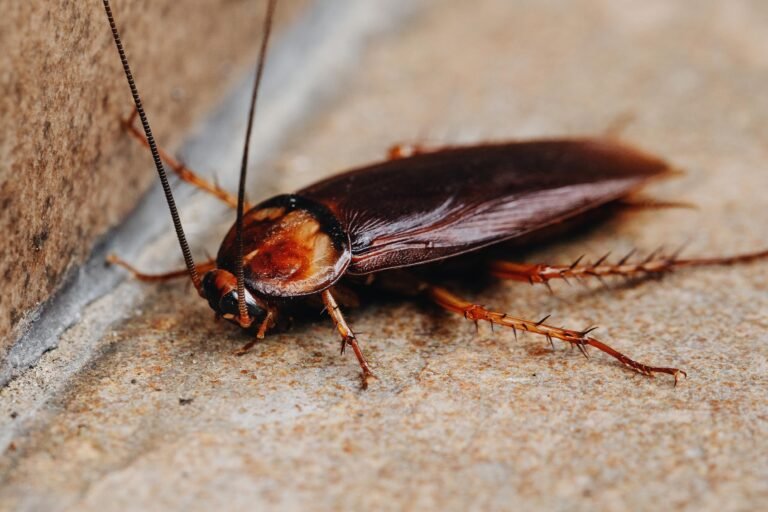

There’s a particular kind of satisfaction in spotting a cockroach scuttle across the kitchen bench, reaching for a can of insecticide, and watching it drop. For a day or two, the problem feels solved. Then the ants reappear along the same skirting board, or another cockroach turns up under the sink, and you’re left wondering whether that spray did anything at all beyond killing the one insect you happened to see.
This is the pattern behind most DIY pest control failures. It’s not that supermarket sprays don’t work — most do exactly what their label promises. The trouble is that a home remedy for pests is usually aimed at the pest you can see, not the colony, nest or entry point you can’t. Understanding that distinction is the key to knowing when a spray is a reasonable first step, and when it’s time to call a licensed technician.
When DIY pest spray can make sense
Australian households deal with a fairly predictable cast of pests — cockroaches, ants, spiders, fleas, wasps, silverfish and rodents. The Victorian Department of Health notes that effective control depends on correctly identifying the species and understanding its life cycle and habitat before choosing a treatment (health.vic.gov.au).
For a small, contained problem, DIY pest control can genuinely work. A single wasp nest spotted early, a handful of ants following a trail into the pantry, or an occasional cockroach after moving into a new rental are situations where a registered household product, used exactly as directed, is a sensible first move. The Australian Pesticides and Veterinary Medicines Authority (APVMA), which registers every pesticide sold in Australia, is clear that following label directions is what allows a product to work as intended while minimising risk to people, pets and the environment (apvma.gov.au). If the label covers your situation and you can identify the pest with reasonable confidence, reaching for a spray isn’t the wrong call.
Ready to Share Your Story?
Join Idiora Times and reach a wider audience with your valuable content.
Why DIY pest treatments sometimes fail
The trouble starts when a home remedy for pests treats the symptom rather than the source. A few well-documented reasons explain why.
Misidentification. Household cockroach species aren’t interchangeable. German cockroaches breed indoors at speed and respond well to gel baiting, while larger species live outdoors and need a different approach (health.vic.gov.au). Spraying the wrong product wastes effort and leaves the real infestation untouched.
Hidden nests and breeding sites. Visible pests are often just a fraction of a much larger population out of sight. This is especially true of ants: pest management research on ant biology and behaviour describes how disturbing a nest with a strong repellent spray can trigger “budding”, where part of the colony splits off and re-establishes elsewhere, multiplying the problem rather than solving it.
Insecticide resistance. German cockroaches have developed resistance to a wide range of insecticide classes worldwide, including pyrethroids and organophosphates common in household products. A 2025 literature review found resistance documented against dozens of active ingredients globally, driven mainly by the insects’ own metabolic defences (PMC). A spray that worked well a decade ago may be far less effective against today’s population.
Termites are a category of their own. By the time visible damage appears, a colony has often been active for months. CSIRO’s guidance on managing termites is blunt about this: while homeowners can buy termite control products, care is needed to avoid disturbing termites and driving them away temporarily rather than eliminating them, and successful eradication of a colony “usually requires the services of a licensed pest manager” (research.csiro.au). No over-the-counter spray reaches a nest that may be metres away and several metres underground.
Warning signs the problem is bigger than it looks
A few signals suggest a home remedy has reached its limit:
- The same pest keeps returning to the same spot within days or weeks of treatment
- You’re seeing pests in multiple, unrelated parts of the house
- You can’t find or access the nest, harbourage or entry point
- You notice mud shelter tubes, frass (termite droppings resembling sand or ground pepper), or hollow-sounding timber
- Droppings, egg cases or an odour persist despite regular cleaning and spraying
- The infestation involves a structural pest (termites) or a species with public health significance
When it makes sense to call a professional
Licensed pest control technicians exist for a reason beyond convenience. In South Australia, for instance, any business offering pest control for fee or reward must hold a Pest Controller’s licence, and technicians must complete accredited training and endorsements for the specific pest problems they treat (sahealth.sa.gov.au). Similar licensing regimes exist in other states. That training matters because professionals aren’t applying a stronger version of what’s on hardware store shelves — they’re identifying species correctly, locating hidden nests, and choosing a method, such as baiting rather than spraying, that targets an entire colony rather than the few insects you happen to see.
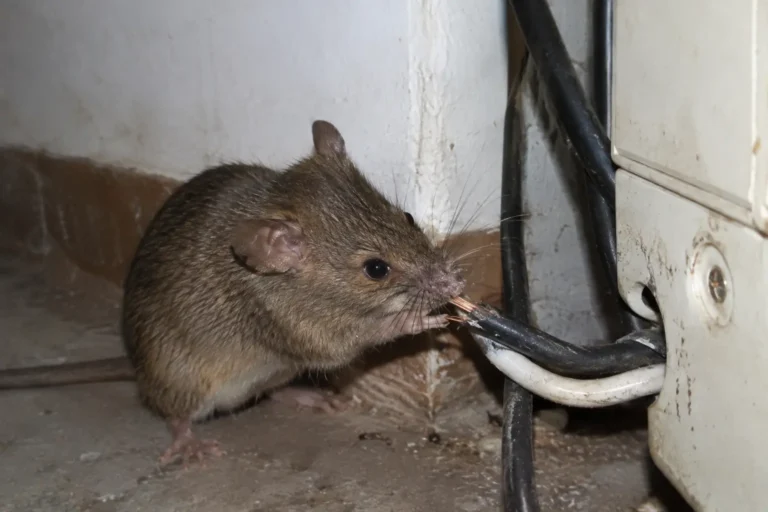
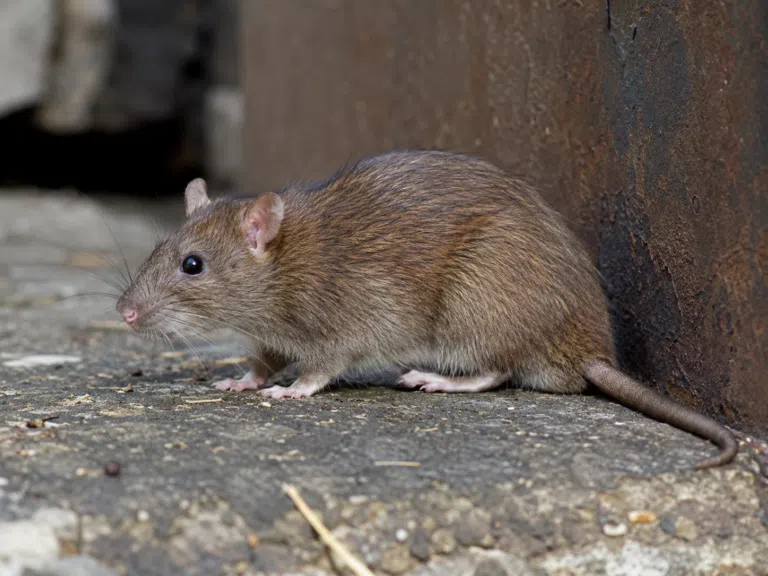
Professional involvement is also worth considering wherever a mistake carries real consequences. Rodent baits, for example, are discouraged for casual home use in areas with native wildlife, because secondary poisoning can harm owls, snakes and other predators that eat poisoned rodents, as several NSW local councils note in their advice to residents. A licensed technician can weigh that risk against the situation and choose accordingly.
How to choose between DIY treatment and professional pest control
A reasonable rule of thumb: if you can positively identify the pest, the infestation is small and localised, and a registered product’s label covers your situation, DIY treatment is worth trying first. If the pest keeps returning, involves a structural or health risk, or you can’t locate where it’s coming from, a professional assessment will save money and frustration compared with repeated trips to the hardware store.
Conclusion
Reaching for a spray isn’t the wrong instinct — it’s often the right first step. The mistake is expecting a surface-level treatment to solve a problem rooted somewhere you can’t see. Correctly identifying the pest, recognising when a nest or colony is involved, and knowing when the job calls for a licensed technician are what separate a quick fix from an infestation that keeps coming back. When in doubt, a professional inspection costs far less than the damage, or the repeat call-outs, that come from guessing.
Frequently Asked Questions
Is it OK to use a supermarket pest spray before calling a professional? Yes, for a small, localised problem where you can identify the pest and the product’s label covers your situation. The APVMA notes that following label directions is what allows a registered product to work as intended.
Why do ants keep coming back after I spray them? Spraying visible ants often kills only foragers, not the colony. Research on ant behaviour shows a strong repellent spray can cause a colony to “bud” and split into new nests, which can make the problem harder to solve rather than easier.
Can I treat termites myself? It’s not recommended. CSIRO’s guidance on termites notes that home products can drive termites away temporarily rather than eliminate them, and that eradicating a colony “usually requires the services of a licensed pest manager”.
Why does my regular cockroach spray seem less effective than it used to be? Insecticide resistance is well documented in German cockroaches worldwide, including against pyrethroids and organophosphates common in household products.
Do I need a licence to spray pests around my own home? No — home use of registered household products is fine. Licensing applies to businesses and technicians who carry out pest control for payment, as SA Health explains for its state.