
Flickering lights, an appliance that cuts out for no obvious reason, a safety switch that keeps tripping. Most homeowners put these down to an ageing circuit or a faulty appliance long before they consider rodents. That gap in awareness is exactly why chewed wiring causes more damage, and more fires, than people expect.
This isn’t a rare, unlucky scenario. It’s a predictable outcome of how rodents are built and where they choose to live, and understanding why makes it much easier to catch early.
Why Rodents Chew Wiring in the First Place
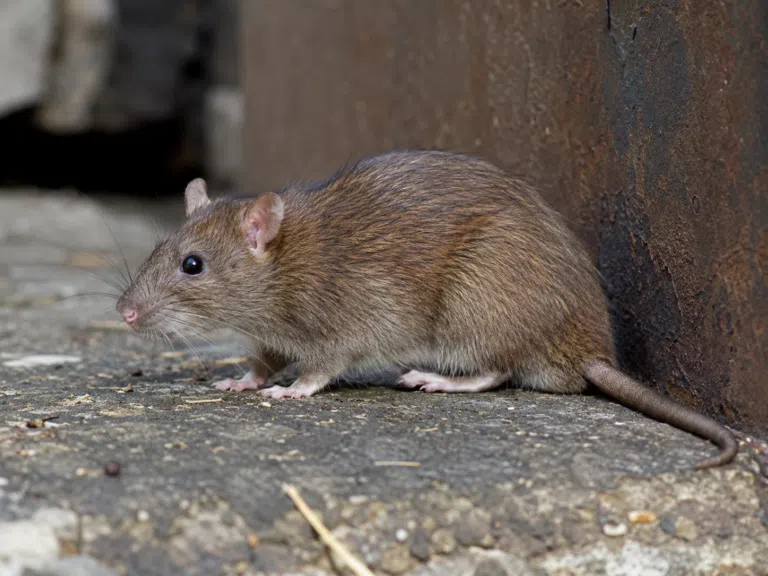
Rats and mice aren’t chewing wiring because they’re hungry or because they’re deliberately targeting your electrics. Their front incisors never stop growing, and gnawing on something hard is simply how they keep those teeth worn down to a manageable length. Cable insulation happens to be an easy, consistent material to chew through, and it’s almost always located exactly where rodents already want to be: warm, dark, undisturbed spaces like roof cavities, subfloors, wall cavities, and behind major appliances.
In other words, the wiring isn’t the target. It’s just what’s within reach in the places rodents are drawn to anyway.
Ready to Share Your Story?
Join Idiora Times and reach a wider audience with your valuable content.
Why This Is More Common Than People Realise
Rodent populations spike after wet, mild seasons that favour breeding, and regional mice plagues in parts of NSW and Queensland in recent years have shown how quickly numbers can surge when conditions line up. Even without a plague-level event, cooler months reliably push rats and mice to look for shelter indoors, and roof voids and subfloors are often the first spaces they find.
Modern homes also give rodents more to chew through than older ones did. Between networked data cabling, solar system wiring, additional appliance circuits, and the usual mains wiring, there’s simply more cable running through roof and subfloor spaces than there used to be, which means more opportunities for a rodent moving through that space to come into contact with something electrical.
It isn’t limited to houses, either. Insurance data from major Australian insurers shows rodent damage to vehicles is a genuine, recurring claim category, with chewed wiring, hoses and cables costing thousands of dollars to repair in a single incident. If rodents are chewing through cabling in a car engine bay often enough to show up consistently in national insurance claims, the same behaviour inside a roof cavity or subfloor is far from a freak occurrence.
Why the Risk Gets Underestimated
The core problem is that this kind of damage happens somewhere nobody’s looking. A chewed section of cable inside a roof void or wall cavity gives no outward sign until something actually fails, and even then, the symptoms, a flickering light, a tripped safety switch, an appliance behaving oddly, look exactly like ordinary electrical wear and tear. Most people troubleshoot the appliance or the switch long before they consider what might be happening inside the wall.
Rodents also tend to build nests close to where they’ve been chewing, out of exactly the materials you’d least want near exposed wiring: shredded paper, fabric, insulation and other flammable debris. That combination, damaged, exposed cable sitting right next to a nest built from flammable material, is what turns ordinary gnawing into a genuine fire risk rather than just an annoyance.
Does Home Insurance Cover This?
Generally, no, not on its own. Damage directly caused by vermin, including wiring chewed by rodents, is typically excluded from standard home insurance policies, since insurers treat it as a maintenance issue rather than a sudden, unforeseeable event. During the NSW and Queensland mice plagues, insurers confirmed that vermin damage itself remains excluded, but fire or water damage resulting from chewed wiring or plumbing can still be covered under some home policies. That distinction, excluded cause, covered consequence, is worth understanding before you assume a policy has you protected either way.
That distinction matters. It means the financial protection homeowners assume they have generally only kicks in after something has already gone wrong, not before. Catching the problem early is worth far more than hoping a resulting fire claim gets approved later.
Warning Signs Worth Taking Seriously
A few signs are worth treating as more than routine electrical quirks:
- Lights that flicker or dim without an obvious cause
- Appliances cutting out intermittently, especially ones on the same circuit
- A circuit breaker or safety switch that trips repeatedly with no clear explanation
- A faint burning smell near a wall, ceiling, or power point with no visible source
- Scratching, scurrying, or rustling sounds from the roof, subfloor, or wall cavities
- Visible chew marks on any cable you can actually see, such as in a subfloor or garage
Any one of these on its own could have an unrelated explanation, but two or more appearing together is a reasonable prompt to get both the wiring and the rodent activity checked properly.
Where to Check First
Roof voids, subfloors, the area around the switchboard or meter box, and behind large appliances like fridges, dishwashers and ovens are the most common places for both rodent activity and the wiring runs they come into contact with. If a vehicle is parked at a property with an active rodent problem, it’s also worth checking the engine bay, since the same warm, enclosed space that attracts rodents indoors is just as appealing under a bonnet.
How to Reduce the Risk
- Seal obvious entry points around the roofline, eaves, vents and subfloor access points
- Keep stored boxes, old furniture and general clutter away from areas where wiring runs, since this is exactly the kind of material rodents use to build a nest nearby
- Address rodent activity promptly rather than waiting to see if it resolves on its own, particularly once you’ve confirmed whether you’re dealing with rats or mice, since the two call for different treatment approaches
- Have an electrician check and, where needed, protect exposed cabling in roof and subfloor spaces during any renovation or upgrade work
- Schedule a periodic pest inspection, particularly heading into the cooler months when rodents are more likely to move indoors
When to Call a Professional
If you’re seeing any of the warning signs above, it’s worth treating this as a two-part job rather than a single call. An electrician can assess whether any wiring has actually been compromised and whether it’s currently safe, while a pest professional deals with the rodent activity causing the damage in the first place. Getting the pest side right matters more than people expect, since the wrong approach or the wrong company can leave the underlying infestation only partly dealt with, which means the wiring risk simply continues. It’s also worth going in with a realistic sense of what pest control work actually costs in Australia, so you can judge whether a quote reflects the scope of the problem.
Conclusion
Rodents chewing through wiring isn’t a dramatic, rare event. It’s a quiet, ongoing consequence of needing to gnaw constantly, combined with a habit of nesting in exactly the places where household wiring happens to run. The real risk isn’t the chewing itself, it’s how long it can go unnoticed before a flickering light or a tripped switch turns into something far more serious. Treating those small, easy-to-dismiss signs as worth investigating is the simplest way to catch the problem while it’s still just an inconvenience.
Frequently Asked Questions
Can mice or rats actually cause a house fire?
Yes. Chewed wiring can expose live conductors, leading to short circuits or sparking, and rodents often nest close to where they’ve been gnawing using flammable material like paper and fabric, which increases the risk significantly.
How do I know if rodents have chewed my wiring?
Flickering lights, appliances cutting out intermittently, a safety switch tripping repeatedly without explanation, and a faint burning smell near a wall or ceiling are all signs worth investigating, especially alongside noises in the roof or subfloor.
Does home insurance cover rodent wiring damage?
Generally not the direct damage itself, since vermin damage is a common exclusion. However, a fire or water damage that results from chewed wiring or plumbing is often covered under standard home policies, so it’s worth checking your specific policy wording.
Where in a house are rodents most likely to chew wiring?
Roof voids, subfloors, the area around the switchboard or meter box, and behind large appliances are the most common spots, since these are also the warm, undisturbed areas rodents prefer to nest in.
How can I stop rodents from chewing wires?
Sealing entry points, removing clutter near wiring runs, addressing any rodent activity promptly, and having exposed cabling protected during renovation work all reduce the risk significantly.
Should I call an electrician or pest control first?
Ideally both. An electrician can confirm whether any wiring has been damaged and is currently safe, while pest control deals with the rodent activity that’s causing the damage in the first place.