
If you have ever rung around for pest control quotes, you have probably noticed the numbers do not line up. One company gives you a figure over the phone, another wants to inspect first, and a third comes back with a price that seems completely unrelated to the other two. This is not a sign that someone is trying to rip you off. Pest control costs Australia-wide are shaped by a long list of variables, and no two properties are ever quite the same.
This guide breaks down exactly why pest control prices Australia homeowners are quoted can differ so widely, so you know what you are actually paying for before you commit to a provider.
Why Pest Control Quotes in Australia Vary So Much
There is no single “standard” price for pest control in Australia, and there never really has been. Unlike a fixed-rate service, pest control cost Australia providers charge depends on what is actually happening on your property, not a generic price list. A technician cannot accurately quote a job without understanding the pest involved, how far it has spread, and how difficult the property will be to treat.
This is why the most reliable pest control services Australia has to offer will almost always want to inspect before locking in a final number. A phone quote is a starting estimate at best.
Ready to Share Your Story?
Join Idiora Times and reach a wider audience with your valuable content.
Factors That Influence Pest Control Costs in Australia
Type of Pest Involved
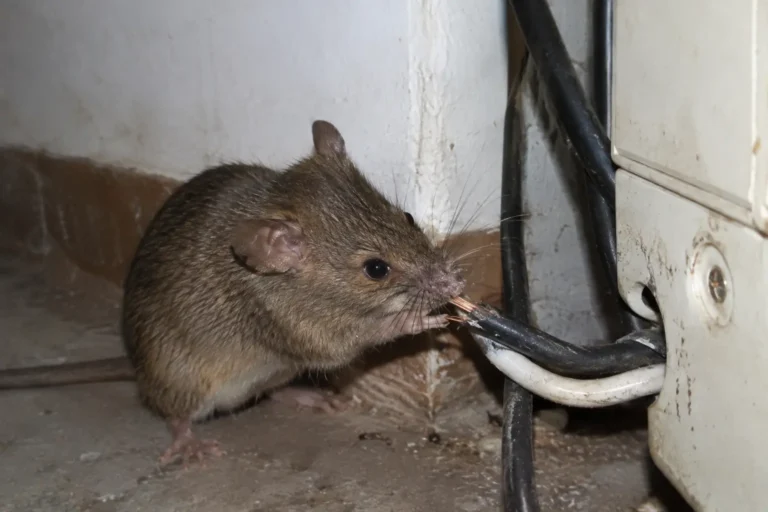
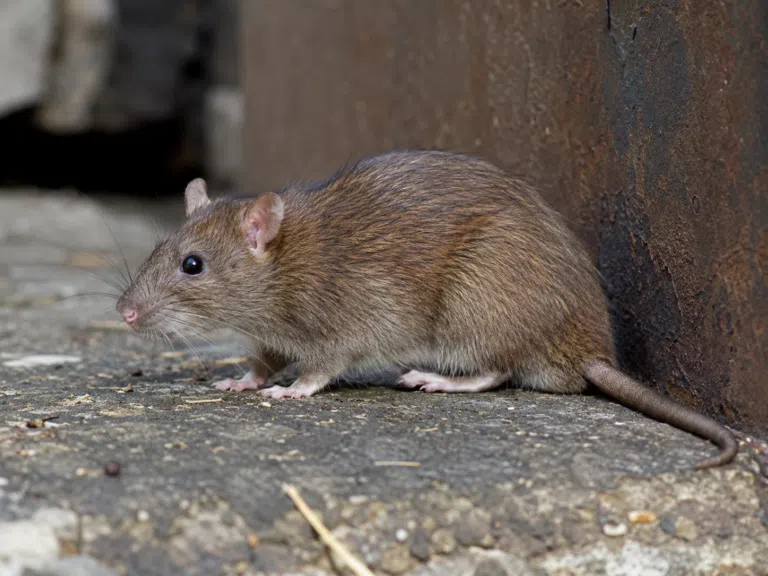
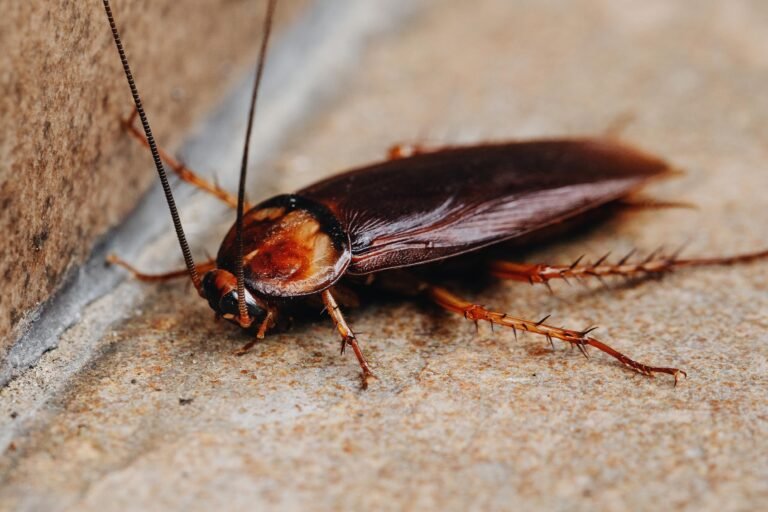
Different pests require entirely different approaches. A general cockroach or ant treatment is usually more straightforward than termite work, which needs specialised equipment and ongoing monitoring. Rodents often require a combination of exclusion work (sealing entry points) and baiting, adding labour on top of the treatment itself. The pest type is usually the single biggest factor separating a low quote from a high one.
Severity of the Infestation
A minor, early-stage issue is far cheaper to treat than an infestation that has had months (or years) to establish itself. Severe cases often need multiple visits, stronger treatment methods, and more product, all of which add to the overall cost. This is one of the main reasons two homes with the “same” pest problem can receive very different quotes.
Property Size and Layout
Larger homes and blocks naturally take longer to treat and need more product to cover effectively. A single-storey unit with a small yard is a very different job to a double-storey house on a large block with a subfloor, roof void, and multiple outdoor structures. Homes with more entry points, rooms, or complex outdoor areas usually take longer to inspect and treat properly.
Location Across Australia
Where you live in Australia genuinely affects your pest control price. Tropical and subtropical regions in Queensland and parts of New South Wales tend to have higher termite activity year-round, which can influence how often treatment is needed. Capital cities typically have more competition between providers, which helps keep prices competitive, while regional and remote areas may carry extra travel costs built into the quote.
Treatment Method Used
Not all treatments are priced the same. A basic surface spray is generally less involved than a full termite barrier installation, a baiting station system, or a fumigation treatment for bed bugs. Newer, less invasive methods sometimes cost more upfront but are chosen for safety around children, pets, or sensitive environments. The method chosen for your situation, not just the pest itself, plays a real role in the final price.
Accessibility of the Property
Technicians need to physically reach the areas that require treatment. Tight subfloors, cluttered roof voids, dense gardens, or restricted access to a rear yard can all extend the time a job takes. Difficult access is one of the more overlooked reasons a quote comes in higher than expected, because it directly affects labour time even when the pest problem itself is fairly typical.
Inspections Required
Some jobs need a standalone inspection before any treatment is quoted, particularly for termites or when a property is being bought or sold. A thorough inspection takes time and expertise, especially when checking subfloors, roof cavities, and structural timber. This is usually itemised separately from treatment costs, which is why an inspection-inclusive quote can look different to a treatment-only quote.
Follow-Up Treatments and Warranties
Many pest control services in Australia build follow-up visits or warranty periods into their pricing, particularly for termite work. A provider offering an ongoing termite management plan with periodic re-inspections will naturally price differently to one offering a single one-off treatment with no follow-up. It is worth asking exactly what is included, because a cheaper upfront price with no follow-up can end up costing more if the problem returns.
Termite Treatment Cost Australia: Why It Is Often Priced Differently
Termite treatment cost Australia-wide tends to sit apart from general pest control pricing, and for good reason. Termites cause structural damage that is often not covered by standard home insurance, so treatment is approached more like a construction and monitoring project than a simple spray-and-go job. Costs are influenced by whether a chemical soil treatment or a baiting system is used, how much of the property needs treating, and whether ongoing monitoring is included. Termite management work in Australia is also guided by the Standards Australia AS 3660 series, which sets the technical benchmark for how termite risk should be assessed and managed in and around buildings. Because the stakes are higher, structural timber rather than a nuisance pest, many Australian providers also factor follow-up inspections into their termite pricing.
How to Get an Accurate Pest Control Quote
To get a genuinely comparable quote rather than a rough guess, it helps to:
- Request an in-person inspection rather than relying on a phone estimate
- Ask exactly which pests and areas of the property are included
- Clarify whether follow-up visits or a warranty period are part of the price
- Confirm which treatment method will be used and why
- Get multiple quotes from providers who have actually inspected the property, not just quoted over the phone
Comparing quotes side by side only works if each one is based on the same scope of work. If you are unsure whether a provider is properly accredited, the Australian Environmental Pest Managers Association (AEPMA) sets industry standards and can help you find a qualified, reputable pest manager.
Final Thoughts
Pest control pricing in Australia is not arbitrary. It reflects the pest involved, how established the problem is, the size and accessibility of your property, your location, the treatment method required, and whether inspections or follow-up visits are included. Understanding these factors makes it much easier to read a quote properly and ask the right questions, rather than simply comparing numbers without context.
Frequently Asked Questions
Why did I get such different pest control quotes for the same problem?
Two quotes for the “same” pest issue can differ because providers may have assessed different levels of severity, proposed different treatment methods, or included different scopes of work, such as follow-up visits or a written warranty. A quote based on a phone description alone will also differ from one based on an in-person inspection.
Is a cheaper pest control quote always a worse deal?
Not necessarily, but it is worth checking what is actually included. A lower quote that excludes follow-up treatment or only covers part of the property may end up costing more overall if the problem is not fully resolved the first time.
Do I need a separate quote for termite treatment?
Usually, yes. Termite work is generally priced separately from general pest control because it often involves a dedicated inspection, specialised treatment methods, and sometimes an ongoing monitoring plan, none of which are typically part of a standard pest treatment.
How often should I get pest control done in Australia?
This depends on your property, location, and pest history. Homes in termite-prone regions are often advised to have annual termite inspections, while general pest treatments may only be needed when an issue arises or as part of a preventative maintenance plan. A licensed provider can recommend a schedule based on your specific property.